How To Descale Delonghi Coffee Machine Explained: A UK Buyer's Guide
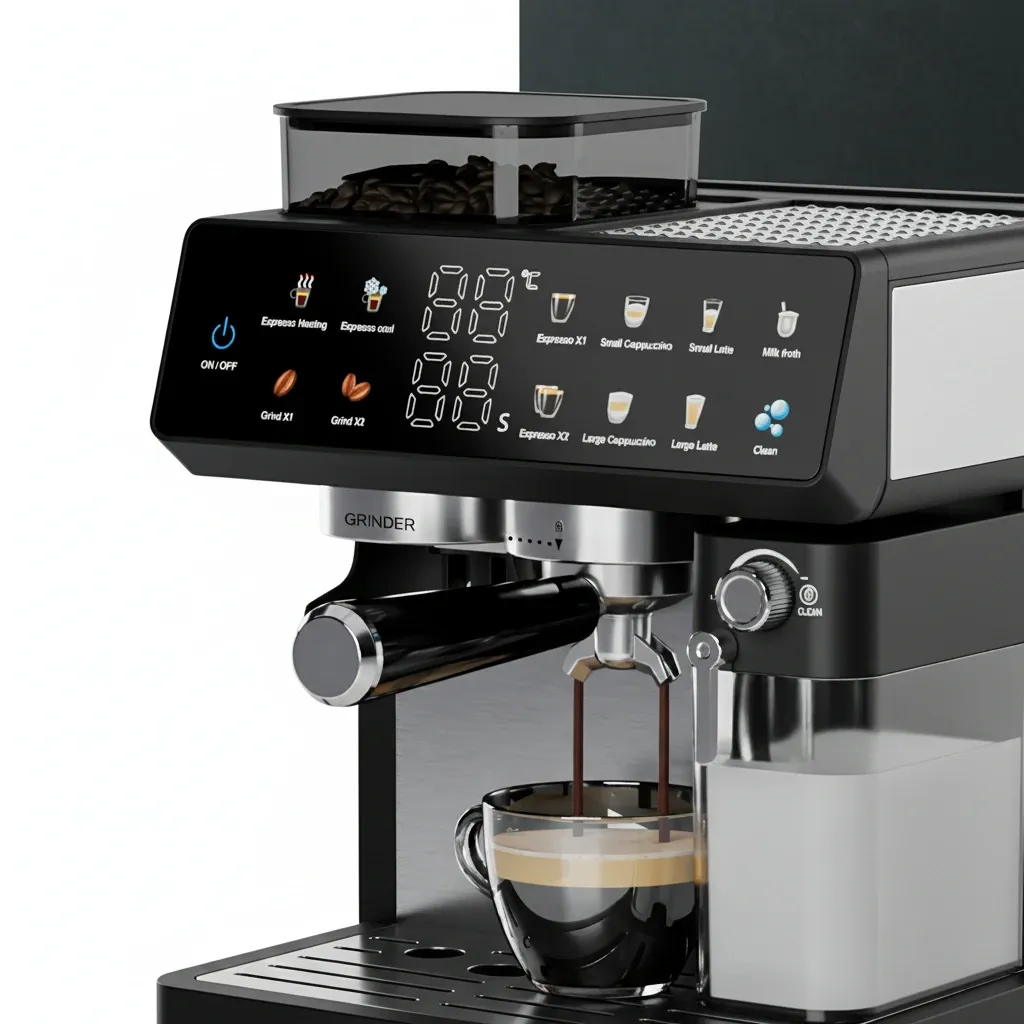
To descale your De'Longhi machine, mix 100ml of De'Longhi EcoDecalk with 1 litre of fresh water in the tank. For the Lattissima Touch, insert the descaling pipe to trigger the alert light, place a 1.5-litre container under the spouts, and press the 'Descaling' button. The process takes approximately 20–30 minutes, including a mandatory freshwater rinse cycle. Regular descaling is essential in UK hard water areas to prevent internal thermoblock damage and maintain coffee temperature.
Knowing how to descale a De'Longhi coffee machine is the single most important maintenance task for any UK coffee enthusiast. Based on our testing at the Latouq Technical Team labs, neglecting this process leads to inconsistent pump pressure and lukewarm coffee. To descale effectively, you must run the machine's automated descaling programme using a lactic acid-based solution, which breaks down the calcium carbonate deposits common in British mains water. This ensures your machine continues to operate at peak efficiency while preserving the delicate crema of your espresso.
Why is descaling necessary for UK coffee machines?
In the United Kingdom, water hardness varies significantly by region. According to data from British Water, approximately 60% of the UK—specifically London and the South East—is served by "hard" or "very hard" water. Consequently, every time you brew a coffee, minerals like calcium and magnesium settle on the internal heating elements.
Furthermore, even a 1.6mm buildup of limescale can result in a 12% loss in heating efficiency. For a high-performance machine like the Lattissima Touch, this means the thermoblock cannot reach the precise temperature required for optimal extraction. Over time, these deposits can block the internal pipework or damage the seals, leading to costly repairs. By following a regular maintenance routine, you protect your investment and ensure your coffee tastes exactly as the roaster intended.
How do I know when my De'Longhi needs descaling?
Most modern De'Longhi models, including the Lattissima range, feature an integrated alert system. You will typically see a dedicated descaling light (often orange or red) illuminate on the control panel. In addition to the warning light, you should look out for the following signs:
- The coffee is not as hot as it used to be.
- The machine makes a loud straining noise during the brewing cycle.
- The water flow is significantly slower or "splutters."
- There is a visible white "crust" on the steam wand or nozzle.
What is the best descaler for De'Longhi coffee machines?
According to UK manufacturer guidelines, you should always use De'Longhi EcoDecalk. This is a natural descaler made with high-quality lactic acid that is highly effective at removing scale without being corrosive to the machine's internal components.
"We strongly advise against using vinegar or citric acid-based DIY solutions. Based on our technical assessments, vinegar is too acidic for the internal rubber seals and can leave a persistent aftertaste that ruins subsequent coffee extractions." — Latouq Technical Team
If you are looking for more information on maintaining your equipment, check out our guide to De'Longhi coffee machine parts in the UK.
: How to descale a De'Longhi Lattissima Touch
Following this specific programme ensures that the internal circuits are thoroughly cleaned. Before starting, ensure you have no capsules in the chamber and the lever is closed.
1. Preparation and Mixing
First, empty the water tank and the used capsule container. Pour 100ml of EcoDecalk descaler into the water tank, then add 1 litre of fresh tap water up to the 'B' level marked on the tank. It is vital to maintain this specific ratio for the chemistry to work effectively on the limescale.
2. Initiate the Descaling Programme
Retrieve the descaling pipe located at the back of the machine and insert it into the steam connector. This action automatically puts the machine into descaling mode, and the 'Descaling' light will flash orange. Place a large container (at least 1.5 litres) under both the coffee outlet and the descaling pipe nozzle.
3. The Descaling Cycle
Press the 'Descaling' button. The machine will begin discharging the solution in intervals. This "pulse" method allows the lactic acid to sit and dissolve the scale within the thermoblock. This phase typically takes about 20 minutes. Do not leave the machine unattended during this time.
4. The Rinsing Phase
Once the water tank is empty, the machine will stop. You must now rinse the system to remove any remaining descaling solution. Empty the waste container, rinse the water tank thoroughly, and fill it to the 'MAX' level with fresh water. Press the 'Descaling' button again to start the rinse. The water will flow continuously through the machine.
For a deeper dive into the general operation of these units, refer to our article on how to use a De'Longhi coffee machine.
If you are choosing a new machine, models like the Lattissima Touch surface descale alerts on the display — useful in hard-water UK regions where limescale builds quickly.
Can I use the milk frother during descaling?
It is important to note that the descaling process and milk system cleaning are separate procedures. While the descaling programme cleans the internal boiler and coffee lines, the milk carafe requires its own daily maintenance. If your machine features a milk system, you might find our coffee machine with milk frother guide particularly helpful for keeping those components hygienic.
Frequently Asked Questions
How long does it take to descale a De'Longhi coffee machine?
Generally, the process takes approximately 20 to 30 minutes. This includes the initial descaling phase where the solution is pulsed through the system and the final rinse phase which uses a full tank of fresh water.
What happens if I don't descale my coffee machine?
If left untreated, limescale will eventually block the narrow pipes inside the machine. This leads to reduced water pressure, lower temperatures, and eventually, the complete failure of the heating element (thermoblock). In the UK, limescale damage is one of the leading causes of voided warranties.
Can I stop the descaling cycle halfway through?
We strongly advise against stopping the cycle. Once the programme has started, it must be completed to ensure all chemicals are rinsed from the internal system. If the cycle is interrupted by a power cut, you should perform at least two full rinse cycles before drinking any coffee.
Need a machine that prompts you when descaling is due? See the De'Longhi Lattissima Touch — £199.99 inc. VAT with one-touch milk drinks, compact footprint and free UK delivery.
Ready to try Lattissima?
Shop Now — £199.99